
StratQuad Blog
Guides and updates on importation, warehousing & fulfillment, and logistics from the StratQuad team in the Philippines.
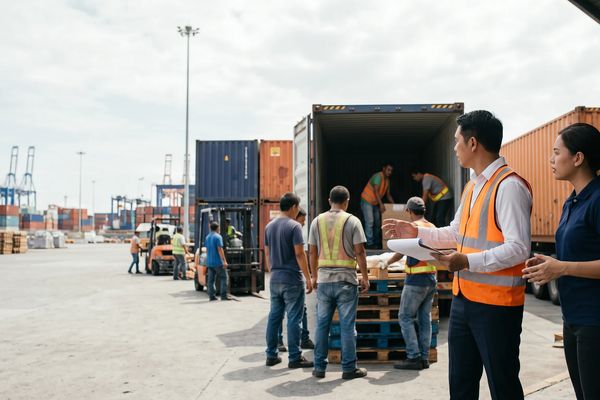
Customs Brokerage in the Philippines: What It Covers and What It Costs
When you import goods into the Philippines, getting the shipment from the port to your business involves more than transportation. Your cargo must go through customs clearance, with the right documents, classifications, duties, taxes, and other requirements properly handled. This is where customs brokerage comes in. In practice, most commercial entries are lodged by a licensed customs broker on the importer's behalf. Customs brokers help businesses manage the clearance process, from preparing and submitting documents to coordinating with customs and arranging the release of shipments. But what exactly does a customs broker handle, and how much does the service cost? This guide breaks down what customs brokerage covers, the fees importers may encounter, and when hiring a customs broker can be useful for your business. Key Takeaways: What Should You Know About Customs Brokerage in the Philippines? Customs brokerage in the Philippines helps importers handle customs clearance, documentation, tariff classification, assessment, and shipment release. Customs brokers manage the administrative side of importing, helping businesses meet customs requirements and respond to additional documentation or inspection needs. Customs brokerage fees are not fixed. For a standard LCL shipment in Manila, a broker's professional fee is commonly about PHP 3,000 to PHP 8,000 per entry, with extras billed on top. The cost can vary depending on the shipment, type of goods, value, port, documentation, and services required. Brokerage fees are only part of the total import cost. Importers may also need to pay customs duties, VAT, port and terminal charges, storage, permits, and other applicable fees. With complete documents, clearance usually takes about 2 to 5 working days from arrival to release. A physical inspection can add several days to more than a week. Customs brokerage and freight forwarding serve different roles. Brokers focus on customs clearance and compliance, while freight forwarders coordinate the transportation of goods. Hiring a customs broker can be useful for businesses with regular imports, complex shipments, or limited experience with Philippine customs procedures. Choosing a customs broker requires more than comparing prices. Consider experience, service scope, communication, and a clear breakdown of fees before making a decision. Table of Contents What is Customs Brokerage in the Philippines? What Does a Customs Broker Do? How Does Customs Clearance Work in the Philippines? How Much Does Customs Brokerage Cost in the Philippines? What Other Import Costs Should Businesses Expect? When Should You Hire a Customs Broker? How to Choose a Customs Brokerage Service Customs Brokerage vs. Freight Forwarding How Can Businesses Avoid Customs Clearance Delays? Conclusion: Choosing the Right Customs Brokerage Service Frequently Asked Questions About Customs Brokerage in the Philippines What is Customs Brokerage in the Philippines? Customs brokerage in the Philippines is a professional service that helps importers process and clear shipments through Philippine customs. Depending on the provider, services may include document preparation, assistance with customs declarations, tariff classification, assessment coordination, payment processing, inspection assistance, and shipment release. There is no single standard customs brokerage fee. The total cost depends on the type and value of the goods, shipment size, port of entry, complexity of the clearance process, and services included by the broker. It is also important to remember that the broker's professional fee is only one part of the total import cost. Customs duties, VAT, port charges, storage, permits, and other applicable fees may be charged separately. What Does a Customs Broker Do? A customs broker helps importers manage the documentation and customs procedures required to clear goods through the Bureau of Customs. This can include preparing and submitting import documents, assisting with goods declarations, coordinating customs assessment, and following up on shipment clearance and release. The Bureau of Customs allows a licensed customs broker to lodge a goods declaration on behalf of an importer, as long as the broker is authorized to do so. Under Section 106 of the Customs Modernization and Tariff Act (CMTA), a customs broker acting with the importer's authority may serve as the declarant for the shipment. Depending on the shipment and the services included, a customs broker may assist with: Reviewing import documents for completeness and consistency Preparing and lodging customs declarations Assisting with tariff classification Coordinating customs assessment Assisting with the calculation and payment of applicable duties and taxes Responding to additional customs requirements Coordinating inspections when necessary Following up on customs clearance and shipment release Coordinating with freight forwarders, shipping lines, ports, and other parties involved in the clearance process The exact responsibilities can vary depending on the broker's scope of service and the importer's arrangement with the broker. The importer remains responsible for meeting applicable import requirements and paying the duties, taxes, and other charges due on the shipment. “The broker files the entry, pays the duties and taxes, and follows the shipment to release. What makes the difference is the work before arrival: checking that the commercial invoice, packing list and bill of lading match, and that permits such as an MSDS are already in place.” Charles Ryan Sy, CEO, StratQuad Document Preparation and Review Accurate documentation is an important part of the import process. Depending on the shipment, documents may include a commercial invoice, packing list, bill of lading or air waybill, permits, certificates, and other supporting documents. See the Bureau of Customs' importation guidelines for current documentation requirements. A customs broker can review these documents and help ensure the information needed for the customs declaration is complete and consistent. Tariff Classification Imported goods must be classified under the appropriate tariff code. This classification can affect the applicable duty rate and may also determine if additional permits or regulatory requirements apply. Incorrect classification can result in additional questions, delays, or adjustments during customs processing. A broker with experience handling similar products can help businesses navigate this part of the process. Customs Assessment and Release Once the necessary information has been submitted, customs authorities assess the shipment and determine the applicable duties, taxes, and charges. The broker can coordinate with the importer during this stage, assist with payment requirements, and follow up on the shipment until the necessary customs procedures have been completed. How Does Customs Clearance Work in the Philippines? The customs clearance process in the Philippines typically involves several steps between the arrival of imported goods and their release. While the exact requirements depend on the shipment, a typical process involves: Shipment arrival → Goods declaration and document submission → Customs review/inspection, if required → Duty and tax assessment → Payment → Customs clearance and release The goods declaration generally needs to be lodged within 15 days after the last package is discharged from the vessel or aircraft, and duties and taxes are paid electronically through an accredited bank before the cargo is released. How Long Does Customs Clearance Take? With complete and consistent documents, clearance from arrival to release usually takes about 2 to 5 working days. If the shipment is selected for physical examination, add several days to more than a week. The most common reasons it takes longer are: Mismatches or gaps between the commercial invoice, packing list and bill of lading (description, quantity, weight or value) Missing permits, such as an MSDS or another agency clearance Questions about classification or declared value, which can lead to a document check or physical examination Late payment of duties and taxes, port congestion in peak season, and holidays Keep in mind that clearance is only the Manila end of the trip. For sea freight from China, delays before the cargo even leaves, such as a China Customs inspection, can add far more time than clearance itself. The process can become more complicated when goods require special permits, additional documentation, physical inspection, or further review. This is one reason businesses often use professional customs clearance services in the Philippines, particularly when they handle commercial imports or shipments with more complex requirements. How Much Does Customs Brokerage Cost in the Philippines? There is no single customs brokerage fee in the Philippines that applies to every shipment. The cost varies depending on the shipment, the goods being imported, and the services required. The Bureau of Customs has a published reference schedule for brokerage fees based on dutiable value (CAO 1-2001). It starts at about PHP 1,300 per entry for low-value shipments, reaches PHP 5,300 at PHP 200,000, and adds a small percentage of the value above that. In practice, brokers quote in one of three ways. The ranges below are rough estimates for Manila: Flat fee per entry: Rough range: About PHP 3,000 to PHP 8,000 for a small or standard LCL shipment. Typical use: Most common for small consolidated cargo. Per container: Rough range: About PHP 8,000 to PHP 20,000 for a 20-foot or 40-foot container. Typical use: FCL shipments. Percentage of value: Rough range: About 0.125% to 1% of the CIF value. Typical use: Higher-value shipments. Extras are usually billed on top: processing and documentation, examination or stripping labor if the shipment is inspected, permit processing, and trucking. Factors that can affect the total cost include: Type of imported goods Customs value of the shipment Shipment size and volume Port or airport of entry Number and type of documents required Tariff classification Required permits Customs inspection Storage or demurrage Broker's professional fee Additional services requested When comparing quotes, look beyond the headline brokerage fee. The broker's professional fee is only one part of the total cost of importing goods. Importers may also need to pay customs duties, VAT and other applicable taxes, port or terminal charges, storage fees, permits, inspection-related costs, and transportation expenses. Before hiring a customs broker, ask for an itemized quotation that clearly separates the broker's professional fee from government charges and other third-party costs. This gives you a clearer picture of your actual customs clearance and import expenses. Some providers bundle clearance into an all-in rate for shared-container shipments, quoting freight, customs clearance, and duties and taxes as one figure. Others quote the brokerage fee on its own. Ask which arrangement you are being quoted, since the two are not directly comparable. What is Included in a Customs Clearance Fee? A customs clearance fee in the Philippines may cover professional services such as document processing, customs declaration, tariff classification, assessment coordination, and follow-up until shipment release. However, the exact inclusions depend on the provider. Some costs may be billed separately, including: Customs duties VAT and other applicable taxes Port and terminal charges Storage fees Demurrage Inspection-related costs Permits and licenses Documentation charges Delivery and transportation costs For this reason, businesses should ask for a detailed quotation that clearly separates the broker's professional fee from government and third-party charges. What Other Import Costs Should Businesses Expect? Customs brokerage is only one part of the total cost of importing goods into the Philippines. Customs Duties The applicable customs duty depends on factors such as the classification and customs value of the imported goods, along with other applicable rules. Different products can have different duty rates, so businesses should not assume that one rate applies to all imports. Related: Customs Duties and Taxes on LCL Shipments to the Philippines VAT and Other Taxes Imported goods may also be subject to VAT and other applicable taxes. The amount depends on the shipment and the requirements that apply to the specific goods. Port, Terminal, and Storage Charges Importers may also need to pay charges related to handling, documentation, storage, and other port or terminal services. If cargo remains at the port longer than permitted, storage or other additional charges may also apply. Which Port Charges Catch Importers Off Guard? These are ballpark figures only. Actual amounts vary by terminal, shipping line and shipment size. Storage: What it is: Daily charge once the short free-storage period at the port or cargo shed ends. Rough scale: Several hundred to a few thousand pesos per day, depending on volume. Demurrage and detention: What it is: Shipping line charge when a container is not cleared or returned in time. Rough scale: Often USD 40 to 100 per day per container (FCL). Arrastre and wharfage: What it is: Port cargo handling and cargo-weight charges. Rough scale: A few thousand pesos per container, or per CBM for LCL. Cargo shed (CFS) handling for LCL: What it is: Unloading and handling of consolidated cargo. Rough scale: Roughly PHP 500 to PHP 1,500 per CBM. Reassessment and inspection: What it is: Extra duty and VAT, penalties, and examination labor after a value or classification query. Rough scale: From several thousand pesos upward. Permits and BOC fees: What it is: Agency permits, entry processing and documentary fees. Rough scale: Varies by product. “Most surprise charges at the port are daily. Storage and demurrage grow with every day the cargo waits, so late or inconsistent documents end up being the most expensive problem at the Manila end.” Charles Ryan Sy, CEO, StratQuad Permits and Special Requirements Certain products may require permits, clearances, certifications, or additional documentation before they can be released. These requirements can add both costs and processing time, which is why it is useful to identify them before the shipment arrives. When Should You Hire a Customs Broker? Not every importer needs the same level of support. Businesses with extensive import experience and dedicated logistics staff may handle some customs processes internally. For others, professional assistance can make the process easier to manage. A customs broker may be useful if: You are importing commercial goods for the first time Your business regularly receives international shipments You are unfamiliar with tariff classification Your products require permits or special documentation You handle multiple types of imported goods Your internal team has limited customs experience Customs-related paperwork takes too much time Shipment delays could disrupt your operations For occasional or straightforward shipments, the level of assistance needed may be different. The key is to consider the complexity of your imports and the resources available within your business. How to Choose a Customs Brokerage Service The cheapest quoted brokerage fee is not necessarily the only factor worth considering. A provider should also have experience with your type of cargo and clearly explain what its service includes. Look at Relevant Experience Ask whether the broker regularly handles shipments similar to yours. Experience with your products or industry can be helpful when dealing with tariff classification, documentation, and additional requirements. Request a Detailed Cost Breakdown Ask the provider to separate its professional fee from customs duties, taxes, port charges, and other third-party costs. This makes it easier to estimate your total customs clearance cost in the Philippines and compare quotations more accurately. Confirm the Scope of Service Find out exactly what the quoted fee covers. Does the broker handle document preparation, customs declaration, assessment, inspection coordination, payment processing, and shipment release? Having a clear scope can prevent unexpected charges later. Consider Communication and Follow-Up Customs clearance may involve several parties, including the importer, customs authorities, freight forwarder, shipping line, and port. A provider that gives clear updates and promptly addresses documentation or clearance concerns can make the process easier to manage. Ask how and when you will be told if the shipment is selected for inspection or held. Customs Brokerage vs. Freight Forwarding Customs brokerage and freight forwarding are both part of the import process, but they handle different responsibilities. A freight forwarder primarily manages the movement of goods, while a customs broker focuses on getting those goods cleared through customs. Primary Role: Customs Brokerage: Handles customs clearance and compliance requirements. Freight Forwarding: Arranges and coordinates the transportation of goods. Main Focus: Customs Brokerage: Customs procedures and import documentation. Freight Forwarding: Cargo movement from origin to destination. Common Services: Customs Brokerage: Customs declarations, tariff classification, customs assessment, and clearance coordination. Freight Forwarding: Freight booking, cargo pickup, transportation coordination, and shipping documentation. Customs Coordination: Customs Brokerage: Coordinates directly with customs authorities on clearance requirements. Freight Forwarding: May coordinate with the customs broker as part of the overall logistics process. Documents Handled: Customs Brokerage: Customs declarations and supporting import documents. Freight Forwarding: Bills of lading, shipping documents, and transportation-related paperwork. Shipment Release: Customs Brokerage: Helps coordinate customs clearance and release. Freight Forwarding: Coordinates transportation after the cargo is cleared and ready for delivery. Best For: Customs Brokerage: Businesses that need assistance with customs compliance and import clearance. Freight Forwarding: Businesses that need help arranging and managing cargo transportation. Some logistics providers offer both customs brokerage and freight forwarding, allowing businesses to coordinate transportation and customs clearance through one provider. This can simplify communication and make it easier to manage shipments, particularly for businesses importing from China to the Philippines or other countries. For businesses looking for end-to-end support, services that combine freight forwarding and customs clearance in the Philippines can cover more of the import process under one provider. Related: How to Choose a Freight Forwarder from China to the Philippines How Can Businesses Avoid Customs Clearance Delays? While not every delay can be prevented, proper preparation can reduce avoidable issues. Before your shipment arrives, check that your documents are complete and that the information on your invoice, packing list, and shipping documents is consistent. It also helps to: Provide accurate descriptions of the goods Confirm the appropriate tariff classification Prepare required permits in advance Check quantities and declared values carefully Work with experienced customs and logistics professionals Ask about potential additional charges before shipment Good preparation gives your broker and other parties the information they need to process the shipment more efficiently. Conclusion: Choosing the Right Customs Brokerage Service Customs brokerage in the Philippines can help businesses manage the paperwork, declarations, assessments, and other requirements involved in clearing imported goods. The cost depends on the shipment and the services required. Beyond the broker's professional fee, businesses should also account for customs duties, taxes, port charges, storage, permits, and other applicable expenses. If your business imports regularly or handles shipments with complex requirements, working with an experienced customs broker can simplify the clearance process and reduce the administrative work involved. When comparing providers, look beyond the initial fee and consider their experience, service coverage, communication, and the overall cost of getting your shipment cleared and released. Frequently Asked Questions About Customs Brokerage in the Philippines What is customs brokerage in the Philippines? Customs brokerage is a professional service that helps importers handle customs-related requirements, including documentation, declarations, tariff classification, assessment, payment coordination, and shipment release. How much does a customs broker charge in the Philippines? There is no standard fee for every shipment. A broker's professional fee can vary based on the shipment, type of goods, complexity of the clearance process, and services provided. For a standard LCL shipment in Manila, a flat fee of about PHP 3,000 to PHP 8,000 per entry is common, while full containers are often quoted at about PHP 8,000 to PHP 20,000. Extras such as inspection labor, permits and trucking are usually billed on top. What is included in a customs clearance fee in the Philippines? It depends on the provider. A customs clearance fee may cover document processing, customs declarations, assessment coordination, and follow-up. Duties, taxes, port charges, storage, permits, and other expenses may be billed separately. What documents are needed for customs clearance in the Philippines? Common import documents include a commercial invoice, packing list, bill of lading or airway bill, and other supporting documents required for the shipment. Depending on the goods, a certificate of origin, import permit, clearance, or other regulatory documents may also be required. Is customs clearance the same as customs brokerage? No. Customs clearance refers to the process of getting goods cleared by customs, while customs brokerage is a professional service that assists the importer with that process. Who pays customs duties and taxes in the Philippines? The importer is generally responsible for applicable customs duties, taxes, and other import-related charges. A customs broker can assist with the assessment and payment process. How long does customs clearance take in the Philippines? With complete and consistent documents, clearance from arrival to release usually takes about 2 to 5 working days. A physical inspection can add several days to more than a week. The timeline varies depending on the shipment, documentation, customs procedures, inspections, permits, and other requirements. Complete and accurate documents can help reduce avoidable delays. Planning an import shipment? See how StratQuad's importation service works for LCL shipping from China, with customs clearance arranged as part of the service. Looking for more guides? Browse our import guides for Philippine businesses.
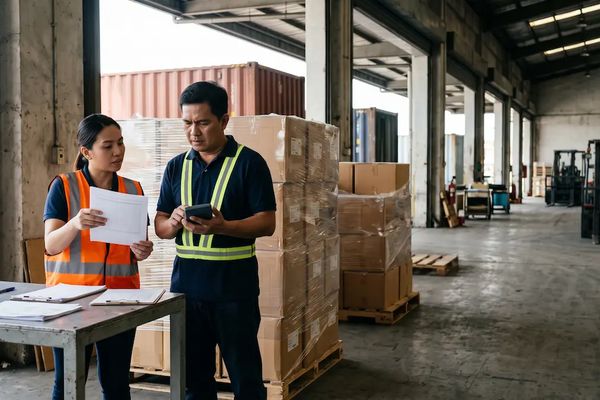
Customs Duties and Taxes on LCL Shipments to the Philippines
If you are importing goods through LCL (Less than Container Load) shipping, understanding customs duties and taxes in the Philippines is important for budgeting your shipment. LCL cargo can still be subject to applicable import duties, taxes, and customs charges, even though it shares container space with other shipments. The amount you pay depends on factors such as your goods’ tariff classification, customs value, country of origin, applicable duty rate, VAT, and other charges. Knowing how these costs are calculated can help you estimate your landed cost and avoid unexpected expenses during customs clearance. Key Takeaways: What Should You Know About Customs Duties and Taxes on LCL Shipments to the Philippines? LCL shipments can be subject to customs duties and taxes when imported into the Philippines, depending on the goods and applicable rules. Customs duty rates depend on the product’s tariff classification, customs value, and country of origin, among other factors. Imported goods may be subject to 12% VAT, while certain products may also incur excise tax. For general merchandise, duties and VAT together often add about 20% to 30% to the goods price. Even zero-duty goods still carry about 12% because of VAT. The customs value is not always the same as the supplier’s invoice amount because applicable valuation rules may include certain freight, insurance, and other costs. A weaker peso raises both the goods cost and the duties and taxes, because both are computed in pesos. Other import costs can apply beyond duties and taxes, including customs processing charges, documentary stamps, brokerage fees, and destination-related charges. The BOC Tax Estimator and Philippine Tariff Finder can help estimate import costs, but the Bureau of Customs determines the final assessment. Accurate documents and tariff classification can help prevent delays and unexpected costs during customs clearance. Table of Contents What is LCL Shipping? How Do Customs Duties and Taxes Work for LCL Shipments? What Customs Duties and Taxes Apply to LCL Imports? How Do Duty Rates Compare by Product Type? What is the Customs Value of an LCL Shipment? How Much Do Duties and Taxes Add to Your Costs? How Does a Weaker Peso Affect Import Costs? What Other Customs Fees Should You Expect? How Can You Estimate Customs Duties and Taxes in the Philippines? Does a PHP 10,000 Threshold Apply to LCL Shipments? Why Does the Country of Origin Matter? What Documents Do You Need for Customs Clearance? How Can You Avoid Unexpected Import Costs? Final Thoughts: Planning for LCL Import Costs Frequently Asked Questions About Customs Duties and Taxes on LCL Shipments in the Philippines What is LCL Shipping? When a shipment does not need a full container, Less than Container Load (LCL) shipping allows your goods to share container space with cargo from other importers. Businesses importing smaller quantities can use this option to pay only for the space their cargo occupies instead of an entire container. However, sharing container space does not mean your goods are exempt from customs duties, taxes, or other import charges. How Do Customs Duties and Taxes Work for LCL Shipments? LCL status does not determine the customs duty rate. Instead, customs authorities assess your goods based on factors such as their classification, customs value, country of origin, and applicable regulations. The Bureau of Customs states that imported goods are generally subject to duties and taxes unless an exemption applies under the Customs Modernization and Tariff Act (CMTA) or another law. For importers, the total cost of an LCL shipment may include customs duty, VAT, applicable excise tax, import processing charges, customs documentary stamps, brokerage fees, freight, insurance, and destination-related charges. Some of these are government-imposed charges, while others are logistics or service fees. Keeping them separate makes it easier to estimate your total landed cost. What Customs Duties and Taxes Apply to LCL Imports? Customs Duty Customs duty is based on the applicable tariff classification and customs valuation of the imported goods. The tariff rate is not the same for every product. It depends on the product's AHTN classification and, in some cases, its country of origin and eligibility for preferential treatment under a free trade agreement. The Bureau of Customs directs importers to the Philippine Tariff Finder to identify applicable tariff classifications and rates. The Philippine Tariff Finder allows users to search using an AHTN code or product description and provides access to MFN and preferential tariff schedules. For many goods made in China, a lower rate under the ASEAN-China Free Trade Area may apply if a valid Certificate of Origin Form E is presented. The Form E has to be arranged with the supplier before the goods ship, so ask about it when you place the order. This is why simply applying a standard percentage to the supplier's invoice amount may produce an inaccurate estimate. Value-Added Tax (VAT) Imported goods may also be subject to 12% VAT, subject to applicable tax rules and exemptions. The exact VAT calculation depends on the customs valuation and other components included in the applicable tax base. The BOC Tax Estimator currently calculates VAT at 12% of the total landed cost used in its estimate. Because the actual calculation can vary depending on the shipment and applicable rules, online estimates should be treated as planning figures rather than the final amount payable. Excise Tax Certain imported products may be subject to excise tax in addition to customs duty and VAT. This can apply to specific categories of goods covered by the National Internal Revenue Code and related regulations, such as alcohol, tobacco and vape products, sweetened beverages, petroleum products, and vehicles. The applicable rate depends on the type and classification of the product. The BOC also directs importers to the applicable excise tax schedules when estimating import costs. If you are importing goods that may be subject to excise tax, factor this into your landed-cost calculation instead of assuming that customs duty and VAT are the only taxes involved. How Do Duty Rates Compare by Product Type? Duty rates vary widely between product types, while VAT stays at 12% for most goods. The table below shows rough ranges of the standard (MFN) duty rate for common import categories. Always confirm the exact rate for your product in the Philippine Tariff Finder. Medical supplies: Typical duty range: About 0% to 5%. What to know: Duty is low, but many items need FDA authorization, plus an MSDS where hazardous components are involved. Permits, not duty, are usually the main cost and delay risk. Packaging (boxes, bags, films, containers): Typical duty range: About 5% to 15%. What to know: Paper packaging tends to sit at the lower end and plastic packaging at the higher end. Car and motor accessories: Typical duty range: About 5% to 15%. What to know: Many parts fall in the low to middle range. Some items, such as helmets, tires and batteries, may also need product standards clearance. Housewares (plastic, metal, ceramic, glass): Typical duty range: About 10% to 20%. What to know: Plastic and decorative household items are often in the upper range. NOTE: Rates can be lower for many China-origin goods when a valid Form E is presented, so the actual figure may fall below these ranges. What is the Customs Value of an LCL Shipment? One of the most important parts of calculating import taxes in the Philippines is determining the value used by customs. Importers should not automatically assume that the supplier's invoice total is the final customs value. Customs valuation rules can take applicable import-related costs into account when determining the dutiable value. The BOC Tax Estimator, for example, includes FOB or FCA value, freight, and insurance when calculating total dutiable value. This is particularly important for LCL shipments because freight and other logistics costs can affect the amount used in customs calculations. Cargo that is heavier than its volume suggests, can raise the freight charge, and with it the dutiable value and the taxes. How Much Do Duties and Taxes Add to Your Costs? Here is an illustrative example. A business importing motor accessories budgets PHP 200,000 for the goods and PHP 25,000 for freight, but does not plan for duties and taxes. Assuming a 10% duty rate: Dutiable value (goods + freight): PHP 225,000 (200,000 + 25,000) Customs duty at an assumed 10%: PHP 22,500 (10% x 225,000) VAT at 12%: PHP 29,700 (12% x (225,000 + 22,500)) Duties and taxes not in the budget: PHP 52,200 That is about PHP 52,000, or 26% of the supplier invoice, before port charges or brokerage. In practice the VAT base also includes some fees, such as the brokerage fee and import processing charge, so the actual figure is slightly higher. The duty rate, dutiable value and exchange rate all depend on the shipment, and the Bureau of Customs makes the final assessment. “The most expensive mistake we see is budgeting from the supplier’s price alone. Customs does not tax the invoice price. Duty is charged on the goods plus freight and insurance, and VAT is then charged on that value plus the duty. For general merchandise, duties and taxes together typically add about 20 to 30 percent to the goods price.” Charles Ryan Sy, CEO, StratQuad How Does a Weaker Peso Affect Import Costs? Duties and taxes are computed in pesos. When the peso weakens, the same supplier invoice converts to a higher peso value, and the duty and VAT calculated on that value rise with it. In 2026, the Philippine peso weakened against the US dollar, with the BSP reporting monthly average exchange rates of PHP 59.41 per US dollar in March and PHP 62.61 in September, an increase of approximately 5.4% in the peso cost of each US dollar. For importers, this means dollar-priced goods can cost more in pesos, potentially increasing the customs duties and VAT payable on the higher import value. Refer to the BSP historical peso-to-US-dollar exchange rates for the figures mentioned above. A few practical steps can help importers manage exchange-rate fluctuations and avoid unexpected costs: Build a currency buffer into your budget, for example 3% to 5% of the landed cost, and recalculate it before every order. Pay suppliers earlier, or in tranches, while the peso is trending weaker, instead of leaving the full balance until the goods are ready. Book fewer, fuller LCL shipments rather than many small rush orders. This spreads fixed costs and limits exposure to repeated rate changes. Treat every quote as an estimate. The final amount depends on the actual volume and weight measured at the origin warehouse, and on the exchange rate when the goods are assessed. Compare total landed cost (goods, freight, duties, taxes and delivery) across providers, not freight alone. “Build a currency buffer of about 3 to 5 percent into your landed cost and recompute it before every order. Paying suppliers in tranches also helps average out the rate instead of taking the full hit in the week the goods are ready.” Charles Ryan Sy, CEO, StratQuad What Other Customs Fees Should You Expect? Customs duties and taxes are only part of the total cost of bringing an LCL shipment into the Philippines. Depending on the shipment, other charges may include: Import Processing Charge (IPC) Customs Documentary Stamp (CDS) Container Security Fee (CSF), where applicable Customs brokerage fees Wharfage and arrastre charges Freight and insurance Port or terminal charges Other applicable government or logistics fees The BOC identifies charges such as the Import Processing Charge, Customs Documentary Stamp, Container Security Fee, and other lawful charges that may apply during importation. For LCL cargo, some destination charges may also be handled through the freight forwarder, consolidator, shipping line, or customs broker. Review these separately from government duties and taxes so you know exactly what each charge covers. Related: Customs Brokerage in the Philippines: What It Covers and What It Costs How Can You Estimate Customs Duties and Taxes in the Philippines? You can estimate customs duties and taxes in the Philippines using the Bureau of Customs Tax Estimator and the Philippine Tariff Finder. The current Tax Estimator is specifically designed for informal-entry express shipments with an FOB or FCA value above PHP 10,000 and below PHP 50,000. It uses information such as the goods description, AHTN code, duty rate, FOB/FCA value, freight, insurance, and applicable taxes and fees. NOTE: For LCL shipments, use the Tax Estimator as a planning reference only, since its current scope is limited to informal-entry express shipments and its result may not match the final customs assessment. You can also use the Philippine Tariff Finder to identify the appropriate AHTN classification and applicable tariff rate. The tool supports searches by AHTN code or product description and provides MFN and preferential tariff schedules. A practical estimation process is: Identify the correct product description and AHTN code. Confirm the country of origin, and whether your supplier can provide a Form E. Check the applicable MFN or preferential tariff rate. Determine the customs or dutiable value. Calculate the applicable customs duty. Check if VAT or excise tax applies. Add applicable customs processing fees and other import charges. Include freight, insurance, brokerage, and destination charges when estimating your total landed cost. This gives you a more realistic picture of your import taxes in the Philippines than simply calculating tax based on the supplier's invoice. For a quick starting figure on the freight side, you can estimate your shipping cost using your cargo's size and weight, then add duties and taxes on top. Does a PHP 10,000 Threshold Apply to LCL Shipments? The PHP 10,000 threshold can affect the duty and tax treatment of certain imports, but it should not be treated as a blanket exemption for every LCL shipment. Under the CMTA, goods with an FOB (Free on Board) or FCA (Free Carrier) value of PHP 10,000 or below may qualify for exemption from duties and taxes, subject to applicable rules and exceptions. FOB and FCA are trade terms used to determine the value and delivery responsibilities associated with a shipment. The BOC also distinguishes between informal and formal entry based on the value and nature of the goods. Commercial goods with an FOB or FCA value of less than PHP 50,000 fall under the informal-entry process, while commercial goods valued at PHP 50,000 or more fall under formal entry. This distinction matters when importing through LCL because the applicable customs process depends on the shipment and its circumstances, not simply on the fact that it is an LCL shipment. Splitting an order into smaller shipments does not guarantee exemption from duties and taxes. Under certain conditions, the Bureau of Customs rules on de minimis shipments and single consignments may require multiple invoices to be treated as a single consignment for customs assessment. Importers should check the applicable customs regulations before dividing an order to stay below the PHP 10,000 de minimis threshold. Why Does the Country of Origin Matter? The country where your goods were manufactured or produced can affect the applicable tariff rate. The Philippines applies MFN tariff rates to qualifying imports, while preferential rates may be available under certain free trade agreements when the applicable requirements are met. For example, the Philippine Tariff Finder allows users to select the country of origin when checking applicable tariff rates. If your supplier provides a Certificate of Origin or other proof required under an applicable trade agreement, keep the document with your import records and verify that the shipment meets the relevant rules of origin. What Documents Do You Need for Customs Clearance? Accurate documentation can make the customs process easier and help prevent delays. Common import documents may include: Commercial invoice Packing list Bill of Lading Certificate of Origin, when applicable, such as Form E for ASEAN-China preferential rates Import permits or clearances, when required Product information and other supporting documents The BOC states that importers must submit a goods declaration with supporting documents such as invoices, packing lists, bills of lading, permits, and certificates when applicable. Before your LCL shipment arrives, check your documents against the actual cargo. Differences in product descriptions, quantities, values, or country of origin can create questions during customs assessment. How Can You Avoid Unexpected Import Costs? A few simple steps can make your landed-cost estimate more reliable. Check the Tariff Classification Early Do not wait until your cargo arrives to determine the product's tariff classification. The AHTN code affects the applicable duty rate, so getting the classification right is an important first step. Ask for a Complete LCL Quotation When comparing freight forwarders, ask for a breakdown of the charges included in the quotation. Clarify which costs cover origin handling, freight, destination charges, customs clearance, delivery, and government duties and taxes. This is particularly important for LCL shipments because shared-container arrangements can involve several handling and destination charges. Providers quote this in two different ways. Some give you a freight rate and bill customs clearance, duties and taxes separately once the shipment is assessed. Others quote an all-in rate for LCL cargo that already covers freight, clearance, and duties and taxes, so the landed cost is known before the goods ship. The two are not comparable side by side, so ask which one you are being quoted. Even an all-in rate usually has exclusions. Common ones are overweight cargo, excise-taxed goods, products that need permits, and delivery outside a set area. Ask for these in writing before you book. Keep Your Import Documents Consistent Your commercial invoice, packing list, bill of lading, and customs declaration should accurately describe the same shipment. If the declared value appears unusually low, Customs may require proof of payment or other supporting documents to help determine the appropriate customs value. Budget for More Than Customs Duty When calculating your import budget, do not stop at the tariff rate. Include VAT, possible excise tax, customs fees, brokerage, freight, insurance, and destination charges, plus a buffer for exchange-rate movement. This gives you a better estimate of your actual landed cost. Final Thoughts: Planning for LCL Import Costs Understanding customs duties and taxes in the Philippines can make LCL importing much easier to budget for. The key is to look beyond the supplier's product price and consider the complete landed cost. Before your shipment arrives, check the product's tariff classification, country of origin, customs value, applicable duty rate, VAT, possible excise taxes, and other customs or logistics charges. Use official tools such as the Philippine Tariff Finder and BOC Tax Estimator as planning references, then confirm the final assessment through the proper customs process. For businesses regularly importing goods, working with an experienced customs broker or freight forwarder can also help you prepare the correct documents, understand applicable charges, and reduce avoidable clearance issues. Frequently Asked Questions About Customs Duties and Taxes on LCL Shipments in the Philippines Are LCL shipments subject to customs duties in the Philippines? Yes. LCL shipments can be subject to customs duties and taxes just like other imported goods. The applicable charges depend on the goods, customs value, tariff classification, origin, and applicable exemptions or preferential rates. How much are import taxes in the Philippines? There is no single import tax rate for all products in the Philippines. Depending on the shipment, you may need to pay customs duty, 12% VAT, excise tax, and other applicable charges. For general merchandise, duties and VAT together often add about 20% to 30% to the goods price. The amount depends on factors such as the product's tariff classification, customs value, country of origin, and applicable tax rules. Is there a customs fees calculator in the Philippines? Yes. The Bureau of Customs provides an online Tax Estimator that can be used to estimate duties and taxes for eligible shipments. The result is only an estimate, and the final amount is determined by Customs. Does the Philippines charge VAT on imported goods? Yes. Imported goods may be subject to 12% VAT, subject to applicable laws, regulations, exemptions, and the relevant tax base. How can I check the customs duty rate for my product? Use the Philippine Tariff Finder to search by AHTN code or product description. You can also select the country of origin to check applicable MFN or preferential tariff treatment. Do customs duties depend on the country where the goods came from? They can. The country of origin may affect the tariff rate, particularly when preferential treatment under a free trade agreement is available and the shipment meets the applicable requirements. Does the exchange rate affect customs duties in the Philippines? Yes. Duties and taxes are computed in pesos, so when the peso weakens against the currency you pay your supplier in, the peso value of the goods rises, and so do the duty and VAT calculated on it. What is an all-in rate for LCL shipments? An all-in rate is a single quoted price that covers freight, customs clearance, and duties and taxes for a shared-container shipment, instead of billing each of these separately after the cargo is assessed. Ask any provider quoting one to confirm in writing what it includes and what is charged on top. Planning an import shipment? See how StratQuad's importation service works for LCL shipping from China, with customs clearance arranged as part of the service. Looking for more guides? Browse our import guides for Philippine businesses.
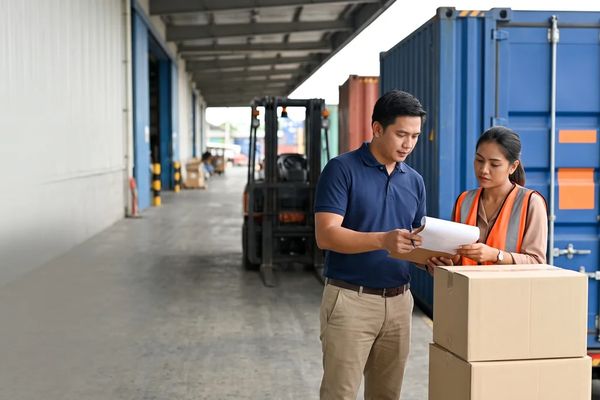
Importing from China to the Philippines: The Complete Process
Importing products, from car and motorcycle accessories, housewares, and packaging materials to medical supplies, machinery, or equipment, from China can give Philippine businesses access to competitive prices and a wide range of suppliers. However, the process involves more than placing an order and arranging shipping. You also need to consider product requirements, import permits, customs documentation, freight, duties, taxes, and final delivery. So, how do you import from China to the Philippines? The process generally involves choosing a supplier, confirming product and shipping terms, preparing the required documents, arranging sea or air freight, completing Philippine customs clearance, paying applicable duties and taxes, and having the shipment delivered to its destination. For businesses importing commercial goods, especially machinery and equipment, planning these steps before the shipment leaves China can help prevent unexpected costs and delays. Key Takeaways: What is the Process to Import from China to the Philippines? Choose a reliable Chinese supplier and confirm the product specifications, price, quantity, and shipping terms. Pay suppliers only through their corporate bank account, never a personal account. Check the product's tariff classification and determine if an import permit or other clearance is required. Prepare documents such as the commercial invoice, packing list, Bill of Lading or Air Waybill, and applicable permits. Choose between sea freight, air freight, or another suitable shipping method based on the shipment's size, urgency, and budget. Coordinate with your forwarder before your supplier ships, so your goods are delivered to the right warehouse on the right date. Work with a customs broker or qualified logistics provider when you need help with customs clearance and documentation. Pay applicable customs duties, VAT, fees, and other charges before the shipment can be released. Arrange transportation from the port or airport to your warehouse, office, factory, or other final destination. Table of Contents Find a Reliable Supplier in China Check Philippine Import Requirements Prepare Your Import Documents Choose the Right Shipping Method Decide on Your Shipping Terms Arrange Customs Clearance in the Philippines Pay Duties, VAT, and Other Import Charges Get the Shipment Released Arrange Door-to-Door Delivery in the Philippines Inspect the Shipment Upon Delivery How Much Does It Cost to Import from China to the Philippines? Common Mistakes to Avoid When Importing from China Should You Work With a Freight Forwarder or Customs Broker? Importing from China to the Philippines: A Simple Checklist Final Thoughts: How to Import from China to the Philippines Successfully Frequently Asked Questions About Importing from China to the Philippines 1. Find a Reliable Supplier in China The first step is finding a supplier that can consistently provide the products you need. China has a large manufacturing and wholesale market, but supplier quality can vary. Before placing a large order, check the supplier's business information, product specifications, certifications, production capacity, customer reviews, and experience with international shipments. For machinery and industrial equipment, this step deserves extra attention. Ask for detailed specifications, manuals, warranty terms, replacement-part availability, and after-sales support. When possible, request product samples or arrange a factory inspection before committing to a large purchase. If you do not have the time or contacts to vet suppliers yourself, a China sourcing agent can shortlist suppliers, check samples, and arrange inspections on your behalf. Confirm the Product Details Before you make payment, make sure both sides agree on: Product name and specifications Quantity Unit price and total order value Packaging requirements Production timeline Payment terms Shipping terms or Incoterms Warranty and after-sales support Required certifications or documents Getting these details in writing can prevent problems later, particularly when the shipment reaches Philippine customs. Payment is often the hardest part for first-time importers, since many Chinese suppliers prefer RMB, Alipay, or bank transfers to a Chinese account. Agree on the payment method early, keep proof of every payment, and only pay to the supplier’s corporate bank account, never a personal account. Payments to a personal account are much harder to trace or dispute if something goes wrong with the order. 2. Check Philippine Import Requirements Before you ship anything, determine if the product can legally be imported and what requirements apply. Many importers are caught off guard here. A common assumption is that if a product is legal to sell in the Philippines, it needs no special paperwork to get there, which is often not the case. The Bureau of Customs (BOC) assesses imported goods based on their applicable tariff classification and customs rules, while regulated products may also require permits or clearances from other government agencies. You can use the Philippine National Trade Repository to check if specific goods are freely importable, regulated, restricted, or prohibited. This is especially important when importing machinery from China to the Philippines, as requirements may differ depending on the type and intended use of the equipment. Important: Import requirements can change depending on the product, tariff classification, intended use, and applicable regulations. Always verify the latest requirements with the Bureau of Customs and the relevant government agency before shipping. Identify the Correct HS or AHTN Code Your product's tariff classification affects the customs duty that may apply. The Philippine Tariff Finder allows importers to search by product description or AHTN code and check applicable Philippine tariff rates. It also provides country-specific tariff information, including preferential rates that may apply under trade agreements when the relevant requirements are met. Do not simply use a supplier's suggested HS code without checking it against Philippine requirements. An incorrect classification can lead to additional costs, delays, or compliance issues. 3. Prepare Your Import Documents Having the right documents ready before shipment is one of the easiest ways to reduce avoidable delays. Common import documents include: Commercial Invoice Packing List Bill of Lading for sea shipments Air Waybill for air shipments Sales contract or proof of payment, when applicable Certificate of Origin, when applicable Import permits or regulatory clearances, when required Material Safety Data Sheet (MSDS), required for goods that pose physical or health hazards, such as chemicals, automotive fluids, agrochemicals, and batteries, including battery-operated devices Insurance documents, when applicable Product specifications and supporting documents for certain goods The exact requirements depend on the product and shipment. BOC specifically advises importers to ensure that invoices, packing lists, transport documents, permits, certificates, and other supporting documents are complete and consistent. For machinery, it is also useful to keep technical specifications, product manuals, model numbers, and manufacturer information readily available. Your packing list should detail the machine’s specifications. Machinery in a regulated category also usually needs a clearance before it ships, often called an export clearance. This is separate from the export declaration, which records shipment details such as the sender, recipient, declared value, and HS code. Requirements vary by machine type, so confirm the documents needed for your equipment before booking. 4. Choose the Right Shipping Method Once your goods are ready, you need to decide how they will travel from China to the Philippines. The two most common options for commercial shipments are sea freight and air freight. Your choice will depend on shipment size, weight, urgency, budget, and the nature of the goods. Sea Freight from China to Manila For large, heavy, or non-urgent shipments, sea freight from China to Manila is often the more practical option. It is commonly used for: Industrial machinery Manufacturing equipment Furniture Large-volume inventory Heavy components Bulk commercial goods You may choose between a full container load (FCL) and less-than-container load (LCL), depending on how much cargo you are shipping. LCL is usually a practical starting point for smaller importers, since you pay only for the space your cargo uses. A full 40-foot container tends to become more economical at around 45 CBM, especially when your cargo is compact and dense enough to fill it well, with around 50 CBM of usable space in practice. LCL can also make more sense for bulky, lightweight goods that take up a lot of container space. If you are shipping LCL from more than one supplier, check your forwarder’s consolidation rules. Some can only combine goods into one shipment when they arrive at the same China warehouse on the same day, so coordinate delivery dates with your suppliers. Sea freight generally takes longer than air freight, but it can offer better economics for larger shipments. Air Freight from China to Manila Air freight is useful when speed matters or when the shipment is relatively small and lightweight. It may make sense for: Samples Small replacement parts Urgent components High-value products Time-sensitive inventory NOTE: Although air freight can be faster, the cost is usually higher than sea freight for heavier or larger shipments. How Do You Choose Between Sea and Air Freight? A simple way to choose between sea and air freight is to consider your shipment size, budget, urgency, and delivery requirements. If you are moving several pieces of industrial equipment or a large volume of goods, sea freight will often be more practical. For smaller, time-sensitive shipments such as replacement parts, air freight may be worth the higher cost to avoid delays. Before booking, ask your freight provider for a detailed quotation that shows the freight cost and other applicable fees. This gives you a clearer picture of the total shipping cost instead of comparing providers based only on the headline freight price. Plan for Delays Sea freight generally takes around 25 to 30 days, starting from the time your goods arrive at the forwarder’s warehouse in China until the shipment is released in Manila. This timeframe includes cargo consolidation, the sea journey, and Philippine customs clearance. Once the shipment is released, you can usually pick it up from the forwarder’s local warehouse within the designated pickup period or arrange delivery, which typically takes one to two days to schedule, depending on your location. The main uncertainty in the timeline comes before the shipment leaves China. If China Customs selects the shipment for inspection, the cargo may be held for one to two months. Since this is outside your forwarder’s control, it’s best to build extra time into your inventory planning, especially ahead of peak seasons. “The longest and least predictable delays today come from China Customs inspections. When a shipment is flagged, it can be held for one to two months before it is even cleared to leave China. It is outside any forwarder’s control, but it is the biggest factor that can push a shipment past the standard timeline.” Charles Ryan Sy, CEO, StratQuad 5. Decide on Your Shipping Terms Your supplier may include an Incoterm in the quotation. Incoterms are standard rules that explain who is responsible for certain costs, transportation arrangements, and risks during shipping. Some common Incoterms you may encounter when importing from China include: EXW (Ex Works): You take responsibility for the goods almost immediately after the supplier makes them available at their location. You may need to arrange pickup, export handling, international shipping, customs clearance, and delivery. FOB (Free on Board): The supplier handles the goods until they are loaded onto the vessel at the agreed Chinese port. You typically arrange and pay for the main sea freight, insurance if needed, Philippine customs clearance, and delivery after that point. CIF (Cost, Insurance and Freight): The supplier arranges and pays for the goods, insurance, and sea freight to the agreed Philippine port. You are still responsible for import clearance, duties and taxes, and delivery after the goods arrive. DDP (Delivered Duty Paid): The supplier arranges delivery to the agreed destination and handles most shipping, customs, duties, and taxes. However, confirm exactly what the supplier's DDP quotation covers before agreeing to it. Do not choose an Incoterm simply because it comes with the lowest product or shipping price. A lower quotation may leave you responsible for additional costs such as pickup, freight, insurance, customs clearance, duties and taxes, port charges, or local delivery. Ask the supplier to clearly state what is included and what you will need to pay separately. If you ship LCL, your supplier simply delivers the goods to the forwarder’s China warehouse, where they are consolidated with other shipments into one container. Incoterms such as EXW and FOB mainly apply when you book a full container. For regular imports, understanding Incoterms makes it easier to compare supplier quotations and calculate the actual cost of getting your goods from China to your business in the Philippines. 6. Arrange Customs Clearance in the Philippines When the shipment arrives, it needs to go through Philippine customs clearance before it can be released. Importers or their authorized customs brokers lodge the applicable Goods Declaration electronically with BOC. According to BOC guidance, the goods declaration generally needs to be lodged within 15 days after the last package is discharged from the vessel or aircraft. Under certain circumstances, an extension may be requested before the original period expires. A customs broker can be particularly helpful for businesses handling their first commercial import or importing complex machinery. What Happens During Customs Processing? Depending on the shipment and BOC's risk assessment, the cargo may undergo: Documentary verification Non-intrusive inspection, such as scanning Physical examination, when required Customs valuation and tariff assessment Verification of applicable permits and clearances BOC notes that shipments may be examined to verify details such as the nature, origin, condition, quantity, value, and tariff classification of the goods. Accurate documentation can make this stage much smoother. 7. Pay Duties, VAT, and Other Import Charges Importing costs do not end with the supplier's invoice or freight quotation. Depending on the goods, you may need to pay: Customs duties Value-added tax Import processing charges Customs documentary stamp Container-related fees Port and handling charges Customs brokerage fees Other applicable regulatory or shipping charges The actual amount depends on factors such as the product classification, customs value, applicable tariff treatment, and other requirements. BOC states that imported goods may be subject to customs duties, VAT, excise taxes, trade remedies, and other lawful charges unless an exemption applies. This is why businesses should calculate the landed cost before ordering. A product that looks inexpensive at the supplier level may have a significantly higher final cost after freight, customs, taxes, handling, and local delivery are included. 8. Get the Shipment Released Once customs requirements are completed and the applicable duties, taxes, and charges are paid or secured, the BOC can issue the release instructions for the shipment. At this stage, you may also need to coordinate with the shipping line, terminal, warehouse, freight forwarder, or trucking provider for cargo release and pickup. 9. Arrange Door-to-Door Delivery in the Philippines Getting the shipment through customs is not always the end of the logistics process. If the cargo needs to go directly from the port or airport to your warehouse, factory, office, or project site, you can arrange door to door delivery from China to the Philippines through a logistics provider that offers end-to-end services. Depending on the arrangement, the service may cover: Supplier pickup → China export handling → International freight → Philippine customs clearance → Local transportation → Final delivery For machinery and oversized equipment, confirm the delivery requirements in advance. The provider may need to consider truck capacity, unloading equipment, site access, delivery schedules, and special handling. If you do not have space to receive the full shipment at once, warehousing and fulfillment services can store your goods after clearance and release them as you need stock. 10. Inspect the Shipment Upon Delivery Once your goods arrive, do not immediately store them away and forget about the shipment. Check the: Quantity Packaging Model and specifications Visible damage Accessories and components Serial numbers Manuals and documentation For machinery, test the equipment when practical and document any damage or missing components immediately. Photos and videos can be useful if you need to file a claim with the supplier, carrier, or insurer. How Much Does It Cost to Import from China to the Philippines? There is no single fixed cost to import from China to the Philippines. Your total expenses depend on several factors, including the product or commodity, cargo size and weight, order value, shipping method, customs classification, and delivery requirements. Your overall import budget may include: Product cost + China-side charges + international freight + insurance + customs duties + VAT + customs fees + brokerage + port charges + local delivery Some costs are easier to estimate upfront, while others depend on your shipment and customs assessment. For example, a small shipment of lightweight product samples will have a very different cost structure from a full container of heavy manufacturing equipment. The following are sample shipping rates for planning purposes only. Actual rates may vary depending on the cargo, commodity, origin, destination, shipping terms, and current freight rates. Sea Freight (Micro): 1 small package, up to 0.01 CBM. Sample cost: ₱399+. Best used for: Single small item or product sample. Sea Freight (Small): 1 small package, 0.02 to 0.09 CBM. Sample cost: ₱1,000+. Best used for: Small inventory trial orders. Sea Freight (Medium): 1 small package, 0.091 to 0.15 CBM. Sample cost: ₱1,500+. Best used for: Carton-sized commercial goods. Sea Freight (Bulk Cargo): Loose cargo load, 0.16 CBM and up. Sample cost: ₱9,500+/CBM. Best used for: Larger shared-cargo shipments. Air Freight (General): Standard air cargo. Sample cost: ₱680+/kg. Best used for: Urgent or lightweight cargo. Air Freight (Gadgets): Phones, tablets, laptops. Sample cost: ₱1,000 to ₱3,000+/piece. Best used for: Certain high-value electronics. For sea freight, LCL (Less than Container Load) lets you share container space with other shipments, while FCL (Full Container Load) means booking a full container. LCL is generally suited to smaller shipments, while FCL may be more practical for large or heavy cargo. NOTE: The figures above are rough estimates only. Customs duties, VAT, brokerage, port fees, and local delivery may be charged separately unless included in the quotation. Sample Freight Calculation Sea freight is usually priced by volume in cubic meters (CBM). Here is how a shipment of 20 cartons of bags is calculated using an all-in rate: Carton size: 20 cm x 50 cm x 30 cm (0.03 CBM per carton) Weight per carton: 10 kg Quantity: 20 cartons Total volume: 0.6 CBM Total weight: 200 kg Density check: 200 kg ÷ 0.6 CBM = 333 kg per CBM (below the 500 kg per CBM overweight threshold) Sea freight rate: ₱9,500 per CBM (all-in, including duties and taxes) Estimated total: ₱5,700 (₱9,500 x 0.6 CBM) Because the rate in this example is all-in, the ₱5,700 already includes duties and taxes. Not every forwarder quotes this way, so always check whether duties, taxes, and clearance are included or billed separately. Dense cargo can also be priced differently: some forwarders treat shipments at 500 kg per CBM or more as overweight and charge them by actual weight. At 333 kg per CBM, this shipment is well below that threshold. To avoid unexpected charges, request a detailed quotation from your freight provider and confirm which fees are included. This will give you a clearer idea of your total landed cost. For a quick starting figure, you can estimate your shipping cost based on your cargo's size and weight. Common Mistakes to Avoid When Importing from China A few preventable mistakes can turn a straightforward shipment into an expensive one. Sending Goods to the Warehouse Without Coordinating Do not tell your supplier to deliver to your forwarder’s warehouse until the forwarder has confirmed which warehouse to use, when to deliver, and whether your item can be received. Deliveries that arrive unannounced are often rejected, which delays the whole shipment. “The most common mistake we see from first-time importers is telling their supplier to deliver straight to the forwarder’s warehouse without coordinating first. The shipment often gets rejected because nobody confirmed which warehouse to use, when to send it, or whether the item could be received. Always talk to your forwarder before giving your supplier delivery instructions.” Charles Ryan Sy, CEO, StratQuad Choosing a Supplier Based Only on Price The cheapest quotation is not always the best deal. Consider product quality, communication, production capacity, documentation, warranty, and shipping experience. Using the Wrong Product Classification An incorrect HS or AHTN code can affect your duties and compliance requirements. Verify the classification before shipping. Ignoring Import Permits Some goods require permits or clearances before importation. Check the requirements before paying for the shipment, not after it reaches the Philippines. Underestimating the Landed Cost Do not calculate your budget using the supplier's price alone. Include freight, taxes, customs charges, brokerage, port fees, and local delivery. Waiting Until Arrival to Prepare Documents Missing or inconsistent paperwork can slow down customs processing. Prepare the documents while the goods are being manufactured or packed. Choosing the Wrong Freight Option Using air freight for a large shipment can significantly increase costs. On the other hand, choosing sea freight for an urgent component could create expensive delays. Should You Work With a Freight Forwarder or Customs Broker? For a first-time importer, working with an experienced logistics provider or customs broker can make the process easier. A freight forwarder from China to the Philippines can help coordinate several parts of the shipment, including: Supplier pickup Freight booking Export documentation Shipping arrangements Customs documentation Duties and taxes Cargo release Local transportation Final delivery This can be particularly useful when importing machines from China to the Philippines, where equipment may be heavy, oversized, high-value, or subject to additional documentation and handling requirements. However, always ask for a clear breakdown of services and charges before signing an agreement. Related: How to Choose a Freight Forwarder from China to the Philippines Importing from China to the Philippines: A Simple Checklist Before your shipment leaves China, check that you have: ☐ Verified the supplier ☐ Confirmed the product specifications and quantity ☐ Agreed on the price and Incoterm ☐ Paid through the supplier’s corporate bank account ☐ Checked the HS/AHTN classification ☐ Confirmed applicable import permits ☐ Prepared the commercial invoice ☐ Prepared the packing list ☐ Arranged the Bill of Lading or Air Waybill ☐ Chosen sea or air freight ☐ Coordinated supplier delivery with your forwarder ☐ Estimated duties, VAT, and other charges ☐ Arranged customs clearance ☐ Planned local or door-to-door delivery ☐ Prepared for inspection upon arrival Final Thoughts: How to Import from China to the Philippines Successfully The process to import from China to the Philippines becomes much easier when you plan the shipment before placing the order. Start by choosing the right supplier and confirming your product details. Then check the applicable tariff classification, permits, documents, and shipping requirements. From there, choose the most practical freight option, prepare for customs clearance, calculate your landed cost, and arrange delivery to your final destination. For larger commercial shipments and machinery, professional logistics and customs support can also reduce the administrative burden and help you avoid costly mistakes. The key is not simply finding the cheapest way to move goods from China. It is finding a reliable, compliant, and cost-effective import process from supplier to final delivery. Frequently Asked Questions About Importing from China to the Philippines Can I import products from China to the Philippines? Yes, you can import products from China to the Philippines, but specific goods may require permits, licenses, or other customs and regulatory clearances. Importers also need to prepare the required documents and comply with Philippine customs requirements. What documents do I need to import from China to the Philippines? Common documents include a commercial invoice, packing list, Bill of Lading or Air Waybill, and applicable permits or certificates. Additional documents may be required depending on the product and shipment. Is sea freight or air freight better for shipments from China? Sea freight is generally more suitable for large or heavy shipments, while air freight is useful for smaller or time-sensitive cargo. The best option depends on your budget, shipment size, and delivery timeline. How long does it take to import from China to the Philippines? The time depends on the supplier's production schedule, shipping method, customs clearance, and final delivery. Sea freight typically takes about 25 to 30 days from the time your goods reach the forwarder’s China warehouse to release in Manila, including consolidation and customs clearance. After release, pickup or delivery is usually arranged within one to two days, depending on your location. Air freight usually takes about 5 to 8 days. Production time at the supplier is added on top of this. If a shipment is flagged for a China Customs inspection, it can be held for one to two months before it leaves China. Do I need a customs broker to import from China? Not every shipment requires the same level of assistance, but a customs broker can be valuable for commercial imports, complex shipments, and businesses unfamiliar with Philippine customs procedures. Can I get door-to-door delivery from China to the Philippines? Yes. Logistics providers may offer door-to-door services that coordinate pickup, international freight, customs clearance, and delivery to a specified Philippine address. Confirm exactly what services and charges are included before booking. How can I reduce the cost of importing from China? Compare suppliers and freight options, calculate the full landed cost, choose the appropriate shipping method, verify tariff classification, prepare documents correctly, check how your forwarder charges for weight, and avoid unnecessary delays or storage charges. Planning your first shipment or importing machinery from China? Make your shipment easier with reliable freight forwarding services from China to the Philippines. Get in touch with us today to discuss your shipping requirements and request a quote. Looking for more guides? Browse our import guides for Philippine businesses.
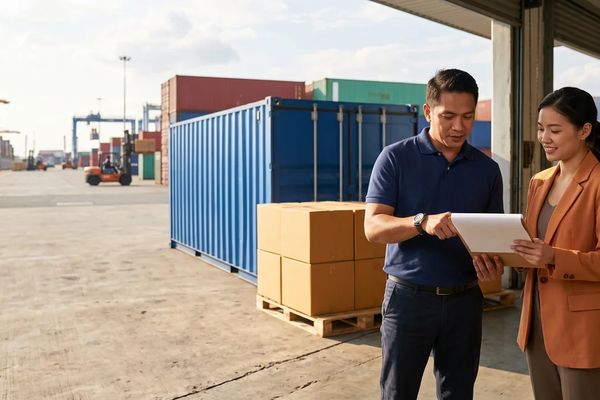
How to Choose a Freight Forwarder from China to the Philippines
Shipping goods from China to the Philippines may seem straightforward, but the process involves more than getting your cargo from one port to another. Transportation, paperwork, customs clearance, and delivery all need to be coordinated properly to keep your shipment moving. That’s where a freight forwarder from China to the Philippines can make the process much easier. A reliable provider can coordinate shipping, customs clearance, documentation, and delivery while helping you manage costs, avoid delays, and keep your shipment on track. Key Takeaways: How Do You Choose a Freight Forwarder From China to the Philippines? Choose a provider familiar with China-to-Philippines shipments and the requirements involved. Compare shipping methods such as sea freight, air freight, FCL, and LCL based on your cargo and timeline. Request a detailed quotation so you understand the full cost and potential additional fees, including charges based on the actual weight of your cargo. Check customs support and make sure the provider can guide you through the required documentation. Prioritize communication and tracking so you can stay updated throughout the shipment. Make sure the forwarder can handle your cargo, especially if you are importing machinery, oversized goods, fragile items, or high-value products. Check reviews and reputation, and confirm the forwarder has a physical office you can visit, before making your final decision. Compare overall value, not just price, when selecting a long-term logistics partner. Table of Contents What Does a Freight Forwarder Do? Factors to Consider When Choosing a Freight Forwarder from China to the Philippines How to Compare Freight Forwarders Should You Choose a Freight Forwarder Based on Price? Choosing the Right Freight Forwarding Partner Frequently Asked Questions About China to Philippines Shipping What Does a Freight Forwarder Do? A freight forwarder helps coordinate the different steps involved in moving goods from your supplier in China to their final destination in the Philippines. Instead of dealing separately with shipping companies, customs, ports, and other logistics providers, you can work with one company to manage key parts of the process. Depending on the service you choose, a freight forwarder may handle or coordinate: Booking cargo space with shipping or air freight carriers Arranging pickup from your supplier in China Preparing and checking shipping documents Coordinating international transportation Assisting with customs clearance Managing port or terminal requirements Providing shipment tracking and updates Arranging delivery to your destination in the Philippines Advising you on shipping requirements and potential costs For businesses that regularly import from China, this support can save time and reduce the hassle of managing international shipments on their own. A freight forwarder can also help keep the different stages of the shipment coordinated, from pickup in China to delivery in the Philippines. Factors to Consider When Choosing a Freight Forwarder from China to the Philippines Not all freight forwarders offer the same services, rates, or level of support. Before choosing a provider, look beyond the initial quote and consider how well they can handle your shipment from pickup in China to delivery in the Philippines. Experience With China-to-Philippines Shipping Choosing a provider familiar with the China-to-Philippines route can make international shipping easier to manage. Familiarity with local logistics, documentation, ports, and common shipping challenges can help prevent avoidable delays and complications. When comparing potential providers, ask how long they have handled shipments from China, which Chinese locations or ports they serve, and what types of cargo they typically manage. Check if they can also assist with customs clearance in the Philippines. The right provider should be able to explain your available shipping options based on your cargo and destination. For example, shipping arrangements may vary depending on the supplier’s location, available transport options, and the specific requirements of your shipment. If you are still looking for the right supplier, some forwarders also offer sourcing support, so supplier checks and shipping can be planned together. Available Shipping Methods Shipping method selection depends on your cargo's size, weight, value, destination, and delivery timeframe. Your freight forwarder should be able to recommend an option based on your actual requirements. For China to Philippines shipping, sea freight is commonly considered for larger or heavier shipments, particularly when delivery speed is less urgent. Air freight, on the other hand, may be more suitable for smaller or time-sensitive cargo. Related: Importing from China to the Philippines: The Complete Process Depending on the provider, you may also have options such as: Full container load (FCL) Less than container load (LCL) Door-to-door shipping Port-to-port shipping Consolidated shipments Smaller importers can usually start with LCL, since they share container space with other shipments and pay only for the space their cargo uses. As your volume grows, a full container can become more economical. For a 40-foot container, that point is often around 45 CBM, and FCL pays off most when your cargo is compact and dense enough to fill the container well, around 50 CBM of usable space in practice. Bulky, lightweight items take up space quickly and are often cheaper to ship LCL. If you buy from more than one supplier, ask how the forwarder consolidates your goods. Some can only combine goods into one shipment when they arrive at the same China warehouse on the same day, so coordinate delivery dates with your suppliers before they ship. Rather than choosing a service based solely on speed or price, ask the freight forwarder to explain which option makes sense for your shipment and why. Transparent and Complete Pricing Cost is an important part of choosing a freight forwarder, but the lowest initial quote may not always result in the lowest overall cost. Request a detailed quotation and clarify what is included. Depending on your shipment, charges may cover transportation, handling, documentation, customs-related services, storage, and final delivery. One useful question to ask is: “What will I pay from pickup in China until the shipment reaches my final destination in the Philippines?” This can help you identify charges that may not be included in a basic freight rate. If a quote is significantly lower than others, ask the provider to explain what is covered and if additional fees could apply. Some providers quote an all-in rate that already covers freight, customs clearance, and duties and taxes, while others quote each of these separately. Ask which approach a provider uses, since it changes what you are comparing. To get a starting figure before you request quotes, you can estimate your shipping cost based on your cargo's size and weight. Also ask how weight is charged. Sea freight is usually priced by volume (CBM), but dense cargo can be charged by actual weight instead. For example, some forwarders treat any shipment at 500 kg per CBM or more as overweight and bill it by actual weight. The weight used is the one recorded when your goods arrive at the forwarder’s China warehouse, so expect the final figure to be based on actual measurements rather than your estimate. “The most common surprise we see is overweight charges. Importers often plan based only on the volume of their cargo, but the final charge is based on the actual weight recorded when the goods reach the China warehouse. Dense or heavy items can trigger fees that were not in the original estimate.” Charles Ryan Sy, CEO, StratQuad Customs Clearance Support Customs clearance is an important part of importing goods into the Philippines. Shipments may require documents such as commercial invoices, packing lists, bills of lading or air waybills, certificates of origin, and import permits or clearances, depending on the type of goods. The Bureau of Customs (BOC) also advises importers to check the Philippine National Trade Repository (PNTR) to determine if their goods are regulated or require specific permits. Before hiring a freight forwarder, find out how much customs support they provide. Ask what documents you need to submit, who will coordinate the customs process, and what happens if additional information or permits are required. Clear guidance can be especially helpful if you are new to importing or regularly handle different types of goods. Shipment Tracking and Communication You should be able to get updates about your shipment after it leaves China. Ask the freight forwarder how tracking works and how they communicate important updates. Some providers offer online tracking, while others send updates through email, messaging platforms, or a dedicated representative. More importantly, find out who you can contact if your shipment is delayed or an issue comes up. Look for a provider that gives realistic timelines, responds to questions, and keeps you informed when something changes. Clear communication can make international shipping much easier to manage. Ability to Handle Your Type of Cargo Not every freight forwarder has the same capabilities for different types of cargo. Providers that mainly handle small commercial shipments may not be equipped to manage oversized machinery, industrial equipment, fragile products, or large-volume cargo. Give the freight forwarder accurate details about your shipment, including the product type, quantity, weight, dimensions, origin, destination, and expected delivery timeframe. If you import regularly, mention your typical shipment volume and frequency as well. This information helps the provider recommend a suitable shipping arrangement. For specialized or oversized cargo, ask if they have handled similar shipments before. Ask what happens to your goods after clearance as well. Some providers can hold your cargo in a warehouse and release it in batches, which helps if you do not have space to receive a full shipment at once. Reputation and Customer Reviews Reviews and testimonials can give you useful insight into a freight forwarder's service. Instead of focusing on a single review, look for recurring feedback about delivery reliability, communication, pricing, cargo handling, customs support, and how the company responds when problems occur. You can also ask for references or examples of businesses they have worked with, when available. Consistent feedback across multiple sources can give you a better picture of what to expect. Trust matters as much as price. Ask if the forwarder has a physical office you can visit and who you will be dealing with day to day. A forwarder you can find and meet in person is easier to hold accountable if something goes wrong. “Two things come up in almost every conversation before booking: price and trust. Many clients ask if they can visit a physical office and see who they are dealing with, because the fear of scams in this industry runs deep.” Charles Ryan Sy, CEO, StratQuad Customer Support After Booking Support from your freight forwarder should continue after your shipment has been booked. International shipments can encounter delays, documentation issues, customs holds, or other unexpected problems, so find out how the provider handles these situations and what assistance you can expect. In practice, the most common problems after booking are delays rather than damage or loss, often caused by China Customs inspections or severe weather. A good forwarder tells you early when a delay happens, explains the cause, and gives you a revised timeline, so you do not find out only when the expected delivery date has already passed. Inquire about the provider’s process in handling delays, damaged cargo, customs issues, or other shipping problems. For regular importers from China, consider if the company can continue supporting your business as your shipment volume grows. Dependable communication and ongoing support can be more valuable than simply choosing a provider with a low shipping rate. If you are new to importing or shipping smaller quantities, ask how much guidance the forwarder gives. Some focus mainly on high-volume shippers, so smaller or first-time clients may get less attention. How to Compare Freight Forwarders Once you've shortlisted a few providers, look beyond the initial shipping rate. Comparing the services, costs, and support included in each quote can help you find a provider that fits your shipment and business needs. Use the following factors to compare your options: Route Coverage: Familiarity with the route and relevant shipping requirements Shipping Options: Sea, air, FCL, LCL, door-to-door Pricing: Complete quote, how weight is charged, and possible additional fees Customs: Clearance and documentation support Transit Time: Estimated shipping and delivery timeframe Tracking: Shipment visibility and updates Communication: Response time and customer support Cargo Handling: Ability to handle your type of goods Reputation: Reviews, testimonials, references, and a physical office you can visit Looking at these factors side by side makes it easier to identify differences between providers. It also helps you see what you're actually getting for the price you're quoted. The best freight forwarder from China to the Philippines for your business will depend on your cargo, budget, delivery requirements, and level of support needed. Instead of choosing based on price alone, consider the overall service and how well the provider can meet your shipping requirements. Should You Choose a Freight Forwarder Based on Price? Not necessarily. Cost should be part of your decision, but it should not be the only factor. A cheaper freight rate may look attractive initially, but additional fees, poor communication, delays, or inadequate support can make the overall cost higher. Instead, consider the total value of the service. A slightly higher quote may be worthwhile if it includes better communication, customs assistance, reliable tracking, and a more suitable shipping arrangement. For businesses importing from China regularly, dependable service can be just as important as the initial shipping rate. Choosing the Right Freight Forwarding Partner The right freight forwarder can simplify the process of moving goods from China to the Philippines by coordinating transportation, documentation, customs clearance, and delivery. Before choosing a provider, compare their shipping options, pricing, cargo capabilities, tracking, communication, and support. If you're looking for freight forwarding from China to the Philippines, request a detailed quote based on your actual shipment so you can compare the services and costs involved. Frequently Asked Questions About China to Philippines Shipping What is a freight forwarder? A freight forwarder coordinates the transportation of goods between locations and may assist with shipping arrangements, documentation, customs clearance, tracking, and delivery. How do I choose a freight forwarder from China to the Philippines? Compare providers based on their China-to-Philippines experience, shipping options, pricing, customs support, tracking, communication, cargo capabilities, and reputation. What is the best shipping method from China to the Philippines? The best shipping method from China to the Philippines depends on your cargo size, weight, value, urgency, and budget. Sea freight is generally suitable for larger shipments, while air freight can be useful for smaller or time-sensitive cargo. How much does China to Philippines shipping cost? Costs vary based on cargo weight and volume, shipping method, origin, destination, delivery requirements, and other charges. Quotes are usually based on volume, but dense cargo may be charged by actual weight instead. Some forwarders apply this to shipments at 500 kg per CBM or more. Requesting a shipment-specific quotation is the best way to get an accurate estimate. Does a freight forwarder handle customs clearance? Many freight forwarders offer customs clearance support, but services vary between providers. Confirm what is included before booking your shipment. How long does shipping from China to the Philippines take? Transit times depend on the shipping method, origin, destination, carrier, port conditions, and customs processing. Sea freight typically takes around 25 to 30 days from the time your goods reach the forwarder’s China warehouse to release in Manila, including consolidation, the sea voyage, and customs clearance. After release, you can usually collect your goods from the forwarder’s local warehouse within a set pickup window, or book delivery, which typically takes one to two days to schedule depending on your location. Air freight usually takes around 5 to 8 days. The biggest risk to the timeline is a China Customs inspection: if a shipment is flagged, it can be held for one to two months before it is cleared to leave China. Your freight forwarder should provide an estimated timeframe based on your specific shipment. Keep in mind that actual delivery times can vary due to factors such as port congestion, customs delays, weather, and other circumstances outside the freight forwarder’s control. Is the cheapest freight forwarder the best choice? Not always. A low initial quote may exclude certain charges or services. Compare the complete cost, reliability, communication, and support before choosing a provider. Need help with your next shipment? Simplify your shipping process with professional logistics support. Get reliable freight forwarding services from China to the Philippines for seamless pickup, customs clearance, and delivery. Looking for more guides? Browse our import guides for Philippine businesses.